

Nursing’s Silence Is Not Neutral: ICE, Public Health, and Our Ethical Failure
Original Blog posted on LinkedIn 24 Jan 2026
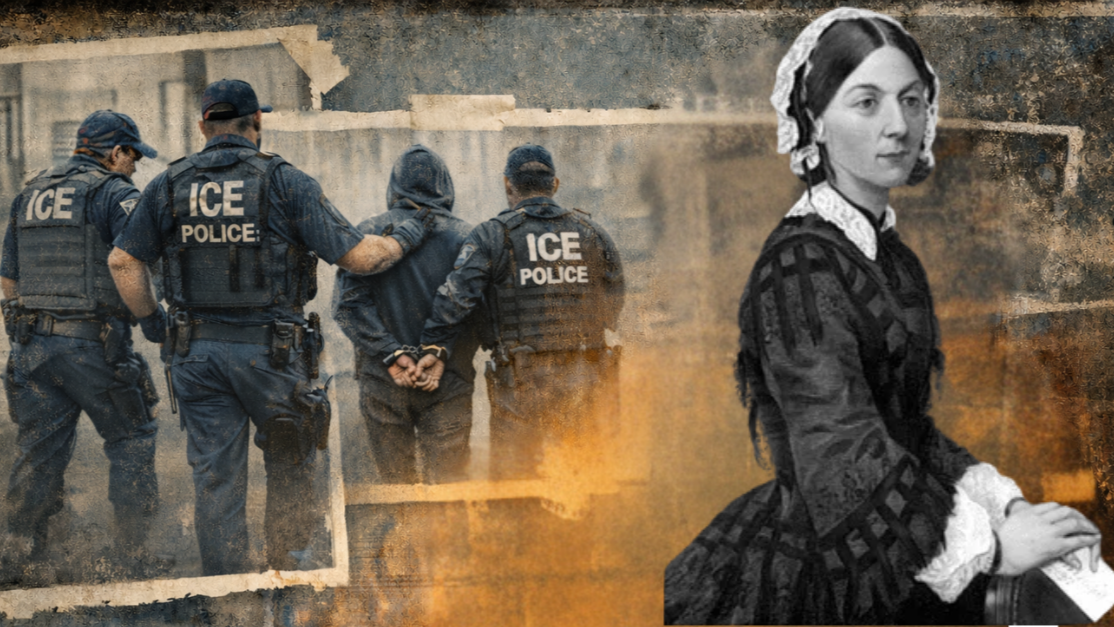
Someone wrote What would Florence do... I say she would do nothing and her legacy continues within our own professional institutions!!!
Today we lost one of our own. Life taken for doing exactly what Florence wouldn't do. 37-year-old ICU nurse Alex Jeffrey Pretti stood for not only his beliefs but what is reflected in our professional Code of Ethics. Fighting for human rights and opposing those who would ignore it.
Nursing holds a unique position in society because the public has granted it extraordinary trust. That trust is not symbolic. It is the foundation of nursing’s social contract, an agreement that the profession will place human dignity, health, and ethical responsibility above political convenience, institutional comfort, and self protection.
Florence Nightingale is often invoked as the moral origin of this contract. Yet history reminds us that even nursing’s foundational figures were shaped by colonial and racial ideologies that limited who was seen as deserving of care, protection, and moral concern. Nursing’s legacy is not only one of compassion. It is also one of selective advocacy and silence.
That tension persists today.
Immigration and Customs Enforcement activity is widely treated as a legal or political matter, but its health consequences are undeniable. Enforcement actions fracture families, destabilize housing, interrupt medical treatment, intensify psychological trauma, and drive fear that keeps people from seeking essential healthcare. Communities exposed to aggressive immigration enforcement experience worsened mental health outcomes, reduced access to preventive services, delayed emergency care, and deepened health inequities. These are not theoretical harms. They are lived realities affecting patients, children, and families in the very communities nurses serve.
Yet many nursing organizations have chosen restraint and silence over responsibility.
When nursing institutions decline to oppose policies that undermine health, they fail to uphold the profession’s social contract. Silence becomes a form of complicity. Neutrality becomes alignment with power rather than protection of the vulnerable. A profession that claims to defend human dignity cannot selectively apply that principle based on political risk.
The social contract obligates nursing to confront structural determinants of health, including immigration enforcement practices that harm community well being. It requires nursing leaders to advocate for healthcare access without fear of detention, to defend nurses who speak on behalf of marginalized patients, and to move beyond carefully worded statements toward meaningful policy engagement.
Trust in nursing cannot be sustained through reputation alone. Trust is earned through moral courage. The public grants nursing authority because it expects ethical leadership, not institutional silence.
Nursing does not honor its history by preserving comforting narratives. It honors its social contract by telling the truth, naming harm, and acting in defense of those whose voices carry the least power.
Our communities and our nurses deserve more. They deserve a profession willing to uphold its ethical obligations in the public arena.
