

Professional Recovery
Original Blog Published 02 February 2026
Leaving a toxic work environment does not immediately mean you have recovered from it.
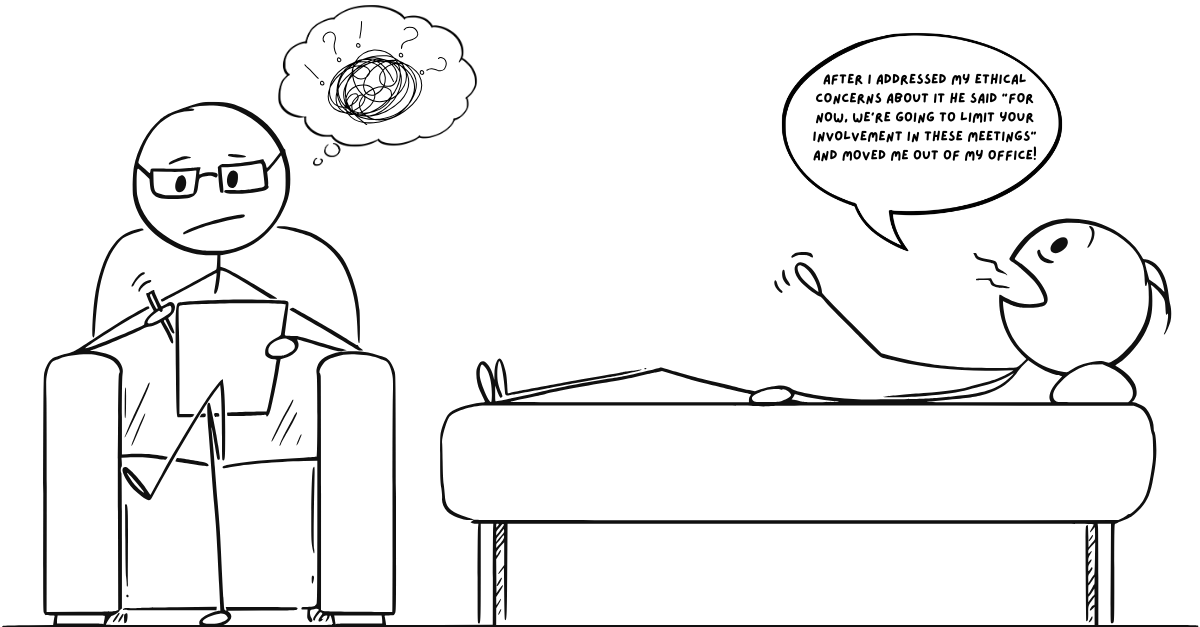
Toxic workplaces leave residue. Even after you exit, your nervous system may still be on high alert. You may second-guess your judgment, over-analyze simple conversations, or question yourself and actions constantly, find yourself needing to set boundaries where none had been needed before. That is not weakness, it's conditioning.
Recovery starts by naming what happened without minimizing it. If your values were repeatedly compromised, if the expectation was your silence over integrity, if gaslighting replaced accountability, then your reaction was rational. You were responding to an unhealthy system, not failing as a professional.
Give yourself permission to slow down. Toxic environments train people to stay in survival mode. Rest becomes the Rx. and needed for the repair. Rebuild trust in yourself by listening to your instincts again, especially the ones you were expected to ignore.
Be intentional about where you go next. Culture matters more than titles. Psychological safety matters more than prestige. Your wellbeing matters more than your pay. Ask questions about how decisions are made, how the teams work together, and how people are protected when they speak up.
Most importantly, do not carry the shame forward. The harm was systemic, not personal. Healing is not about becoming tougher. It is about becoming whole again, and if you are in recovery, you are not behind, you are recalibrating.
For employers, this matters too.
People coming from toxic environments are often deeply skilled, highly perceptive, and cautious for a reason. Do not mistake quiet for disengagement or hesitation for lack of confidence. These employees are relearning what safety feels like at work.
Clarity is welcomed. Be explicit about expectations, decision-making authority, and how feedback is handled. Follow through consistently. Inconsistency feels like danger to someone who has lived in chaos.
Model psychological safety early. Invite questions. Normalize disagreement without punishment. If someone raises a concern, thank them before you evaluate it. Trust is rebuilt through actions, not statements.
Avoid testing loyalty. Do not reward overwork, silence, or compliance. Reward judgment, ethical courage, and collaboration. If your culture depends on people enduring harm to belong, it is not culture, it is control.
When employers create environments where people can heal and contribute at the same time, everyone benefits. Recovery does not happen in isolation. It happens in systems that choose to be better through their culture, leadership, and accountability.
