

Not a Good Fit
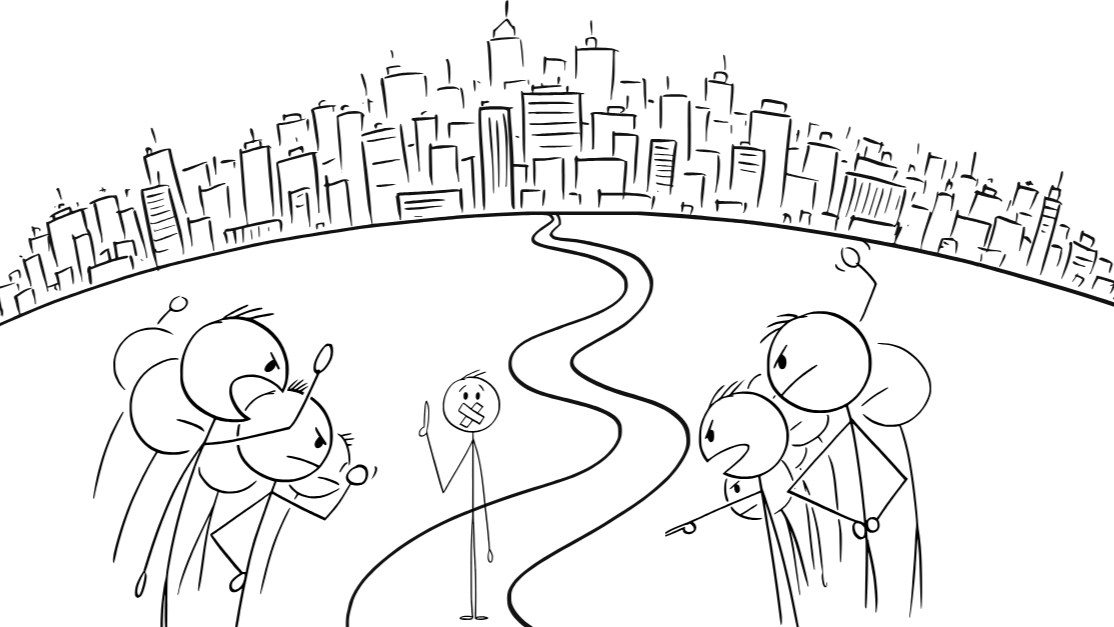
Original Publication on LinkedIn on 17 December 2025
In many institutions, the “go-to people” are valued only as long as they solve problems quietly, efficiently, and without disrupting hierarchy. The shift to public enemy number one occurs when those same experts do three things that institutions often claim to value but struggle to tolerate in practice:
1. They push back
Pushback exposes weak decisions, flawed processes, or misaligned priorities. For leaders who rely on consensus theater or authority rather than competence, resistance feels like insubordination rather than stewardship.
2. They resist being exploited
Experts are often overused, under-credited, and expected to carry institutional risk without authority. The moment they say, “This isn’t safe,” “This isn’t ethical,” or “This work lacks merit or evidence,” they stop being useful and start being inconvenient.
3. They stand up for themselves
Institutions prefer dissent behind closed doors or not expressed at all. This action reframes the expert from “team player” to “problem,” especially in cultures where loyalty is measured by silence, agreements without question, ability to compromise your own values, turning a blind eye toward questionable practices, and sometimes how well you can praise leadership.
At that point, the narrative shifts. The expert is no longer “passionate,” they are “difficult.” No longer “direct,” they are “disruptive.” No longer “principled,” they are “not a good fit.” This is not about performance; it is about CONTROL!
Ironically, these individuals are often the same ones institutions rely on during crises, transitions, audits, or scrutiny. They are celebrated when carrying the weight, and targeted when they refuse to be crushed by it.
When this happens, it’s a signal, not of personal failure, but of organizational fragility. Healthy institutions protect truth-tellers. Fragile ones punish them.
And history is consistent on this point. Organizations rarely fall because their experts spoke up. They fall because leadership silenced the people who knew better.
