

and Other Duties as Assigned
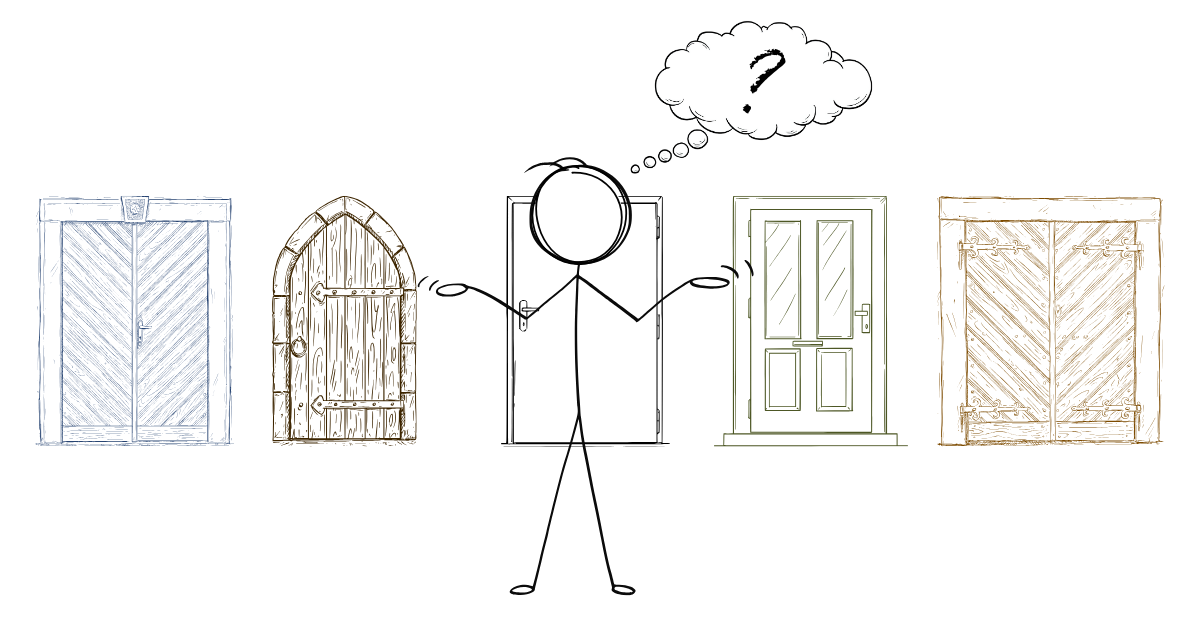
There is a moment in many careers when a professional realizes the job they accepted is not the job they are actually doing. The final line of the job description, the quiet sentence that reads “and other duties as assigned,” subtly shifts from an afterthought to the defining feature of the role. People step into new positions expecting to contribute at the level for which they were recruited, only to find themselves filling unmentioned gaps, managing long-neglected problems, and absorbing responsibilities that were never part of the original conversation. On paper, the role looks strategic. In interviews, leaders emphasize vision, innovation, and impact. Yet once inside, the reality often reveals an organization far better at attracting talent than activating it.
This pattern has become increasingly common across industries. Highly skilled professionals accept roles that promise growth, leadership, and meaningful work, but they quickly discover that the structure, culture, or leadership maturity of the organization is not ready for the level of expertise they bring. Instead of being empowered to practice at their full scope, they end up buried under operational tasks and reactive demands. The strategic work they were hired to lead becomes secondary to whatever longstanding gaps the organization has quietly normalized.
Walking away from these roles is not simple. Even when the misalignment is clear, the decision is weighted by salary, stability, benefits, family obligations, and the pressure to make each new move “the one.” Leaving can feel like a personal failure, even though the real failure lies in staying in environments that diminish a person’s talent while insisting the problem is capacity rather than compatibility. These pressures make it easy to remain in roles that no longer reflect one’s purpose or potential.
But courage is cumulative. It grows not from a single grand decision but from the repeated act of choosing alignment over obligation. Professionals who step away from misaligned roles often discover that their value was never the issue. The issue was a system that recruited for excellence but operated with structures incapable of supporting it. Many organizations want innovation without disruption, leadership without challenge, and change without the discomfort of introspection.
A fulfilling career is not defined by a perfect job description. It evolves through intentional choices about boundaries, purpose, and the environments that allow people to bring their full selves to the work. When “other duties as assigned” becomes the dominant reality, it signals a deeper organizational issue, not a shortcoming of the individual. The most meaningful professional growth often comes from recognizing misalignment early and having the resolve to move toward spaces that genuinely support expertise, autonomy, and impact.
The right role is not the one with the most polished job posting. It is the one with a culture mature enough to use the talent it hires. It is the environment where leadership is not threatened by competence, where strategic work is not sidelined by dysfunction, and where “other duties as assigned” remains exactly what it should be: an occasional footnote rather than the entire job.
